
Business funding looks random from the outside. One business gets approved in weeks. Another applies for months and hears nothing.
I know because I’ve seen both sides.
After helping small businesses navigate real funding decisions and approvals, one thing is clear: business funding isn’t about luck. It’s about structure, timing, and understanding how lenders actually think.
If you’ve ever wondered why good businesses still struggle to get funded, or why “same revenue, same credit” doesn’t mean same outcome, this will finally make it make sense.
How Business Funding Actually Works Behind the Scenes
I used to think lenders turned down businesses because they didn’t “get” the vision. Turns out, that’s not how business funding works at all.
Lenders don’t care if your idea is brilliant. They care if you can pay them back. That’s the whole game. When you apply for funding for a small business, you’re not selling a dream. You’re showing proof that lending to you is a safe bet.
A client once came to me upset that her bakery had been denied. She had a loyal customer base, great reviews, and solid revenue. But her business structure was a mess. No separate business bank account. Personal and business expenses are mixed together. To a lender, that’s not “small business owner grinding to make it work.” That’s a risk profile they can’t approve.
The difference between personal approval logic and business funding logic
When you apply for a credit card, it’s pretty straightforward. Credit score, income, debt. Check, check, check.
Business funding approval is layered. Your personal credit matters, sure. But so does your business credit. Time in business. Revenue stability. Industry risk. Cash flow. Debt-to-income ratio at the business level. Collateral availability. Legal structure.
I’ve seen two people with the same FICO score apply for small business funding. One gets $75K approved in two weeks. The other gets denied. Why? The first one had 18 months of consistent revenue, a registered LLC, and clean bookkeeping. The second one had six months in business, had fluctuating income, and had no business credit profile yet.
Same personal credit. Completely different business funding eligibility.
Why funding decisions are layered, not binary
Lenders don’t just say yes or no. They segment you first.
Are you early-stage or established? High-risk industry or low-risk? Cash-heavy or inventory-heavy? Do you have assets they can secure against?
One lender might deny you. Another might approve you with conditions. A third might offer you half of what you asked for. That’s not random. That’s segmentation. They’re sorting you into buckets based on business funding requirements that most people don’t even know exist.
I had a client apply for a $50K business line of credit. Got denied. Same week, he applied for equipment financing for $40K. Approved. Why? Because equipment financing is secured. The lender can take the equipment back if you default. A line of credit is unsecured, so the business funding criteria are stricter.

A Common Funding Source for Small Businesses (And Why It Depends)
Everyone wants to know: what is a common funding source for small businesses?
The truth is, it depends. What works for someone else might tank your approval odds. What’s common for established businesses might not even be available to startups.
There’s no universal “best” option. There are only options that match your stage, structure, and risk profile.
Common funding sources by stage
Early-stage businesses usually start with personal savings, credit cards, or small SBA microloans. Some go after grants if they qualify. A few get friends-and-family loans. Most don’t qualify for traditional business loans yet because they don’t have business credit or revenue history.
Growing businesses start accessing business lines of credit, term loans, and revenue-based financing. They’ve been around long enough to show proof of concept. Lenders are willing to bet on them, but the business funding qualifications are still tight.
Established businesses can tap into larger SBA loans, commercial real estate financing, equipment loans, or investor funding. They have options because they’ve built a track record.
How credit, time in business, and revenue determine access
If you’ve been in business for less than a year, most traditional lenders won’t touch you. You’re too new. They can’t predict your staying power.
If your revenue is under $50K annually, your funding options shrink fast. Lenders want to see that you’re making enough to cover loan payments and still operate.
If your personal credit is under 650, you’re looking at higher interest rates, shorter terms, or outright denials. Some funding sources for small businesses are built specifically for lower credit, but they cost more.
I worked with a client who had great credit but was only four months in business. She got denied for everything she applied for. Six months later, with 10 months under her belt and consistent deposits, she got approved for $30K. Nothing else changed except time.
Why copying someone else’s funding path often backfires
Someone in a Facebook group says they got same-day business funding with no hassle. You apply for the same thing and get rejected.
Why? Because their business structure, credit profile, industry, and timing were different than yours.
I see this all the time. Someone hears about a funding option that worked for a friend and assumes it’ll work for them. But that friend might have been in business for three years while you’ve been open for six months. Or they might have had collateral to secure the loan. Or they might have applied with a co-signer.
Business funding strategies aren’t copy-paste. They’re custom.
Why Some Businesses Get Funded in 14 Days

What lenders mean by “funding ready.”
Funding ready doesn’t just mean “I need money.”
It means your business structure is clean. Your paperwork is in order. Your credit profile is strong. Your revenue is consistent. Your application matches what the lender is actually looking for.
When I say clean structure, I mean you’ve got a registered business entity. A dedicated business bank account. Separate business credit. Bookkeeping that makes sense. A website or online presence. An EIN. Basic things that show you’re treating this like a real business, not a side hustle you might quit next month.
The role of clean structure and documentation
One client got approved for fast business funding in 12 days. I’m talking $60K. Why so quick? Because when the lender asked for documents, he had everything ready. Business license. Tax returns. Profit-and-loss statement. Bank statements. Vendor invoices. Articles of organization.
No back-and-forth. No delays. The lender reviewed his file and said yes.
Another client took five months. Not because her business wasn’t good. But because every time the lender asked for something, she had to scramble to find it or create it. That’s not fast funding. That’s the business funding process dragging out because preparation wasn’t there.
Why speed is usually earned, not offered
Fast approvals happen when lenders see low risk. That’s it.
If you look risky, they slow down. They ask for more proof. They bring in underwriters to review. They might deny you altogether.
If you look solid, they move fast. You’ve done the work upfront, so they don’t have to guess.
When same-day or fast funding is realistic (and when it’s a trap)
Same-day business funding exists. But it’s not always a good thing.
Some online lenders advertise same-day approvals because they’re offering merchant cash advances or super-short-term loans with brutal repayment terms. You get the money fast, but you pay it back at rates that can destroy your cash flow.
Fast funding is realistic when you’re applying for something small and secured, or when you’ve already been pre-approved based on your profile. But if someone promises you $100K same-day with no credit check, run. That’s not a deal. That’s a trap.
Why Other Businesses Never Get Approved
Lenders don’t call you up and say, “Hey, your business structure is a mess.” They just deny you.
I’ve seen businesses get denied because their LLC was registered in one state but operating in another without proper registration. Or because their business name on the application didn’t match the legal name on file. Or because they had multiple DBA names and no clear primary entity.
That stuff matters. It tells lenders you don’t have your act together.
Inconsistent business information across platforms
Your business name is “ABC Solutions LLC” on your application. But your website says “ABC Consulting.” Your bank account is under “ABC Services.” Your Google listing says something else.
To you, that’s just branding. To a lender, that’s a red flag. It looks like you’re either disorganized or hiding something. Either way, they’re not approving you.
Misaligned funding applications
I had a client apply for a $100K term loan to “grow the business.” That’s too vague. Lenders want to know exactly what you’re funding. Hiring? Equipment? Inventory? Marketing?
When your application doesn’t match what the lender actually funds, you get denied. If a lender specializes in equipment financing and you’re asking for working capital, they’re not going to approve it.
Applying too early or too late in the business lifecycle
Applying too early means you don’t qualify yet. You’re wasting applications and hurting your chances later.
Applying too late means you’re in survival mode. Your cash flow is shot. You’re behind on bills. Lenders can smell desperation, and they won’t fund it.
Timing is part of business funding planning. You apply when you’re stable and growing, not when you’re drowning.
How repeated denials quietly damage future funding chances
Every time you apply for business funding and get denied, it shows up. Hard inquiries on your credit. Application records in lender databases.
If you apply to 10 lenders in one month and get denied by all of them, the 11th lender sees that pattern. And they think, “Why did everyone else say no?”
Repeated denials make you look riskier, even if the denials weren’t your fault. That’s why shotgun applications are a terrible business funding strategy.
Why Do Two Businesses With Similar Revenue Get Different Outcomes
I worked with two clients last year. Both are doing around $200K in annual revenue. Both had been in business for about two years. Both had personal credit in the mid-600s.
One got approved for $50K. The other got denied.
Why? Industry. Cash flow. Margins.
The first one was a consulting business. Low overhead, high margins, predictable monthly income. The second one was a retail store. High overhead, thin margins, seasonal revenue spikes.
Lenders saw the same revenue number but completely different risk profiles.
How industry, margins, and cash flow change funding options
Restaurants, construction, retail. These are higher-risk industries. Lenders know failure rates are higher, so they’re pickier about business funding approval.
Service-based businesses, SaaS companies, and healthcare. Lower overhead, more predictable income. Lenders are more willing to fund them.
Your margins matter too. If you’re bringing in $200K but only keeping $10K after expenses, lenders see that. They know you don’t have much cushion to handle loan payments.
The danger of generic funding advice online
You’ll see blog posts that say, “Top 10 Business Loans for 2026!” or “Best Funding for Small Businesses!”
That advice is useless if it doesn’t account for your stage, structure, credit, industry, and revenue.
I’ve seen people apply for funding they had no shot at getting because some article told them it was the “best option.” They wasted time, took credit hits, and got discouraged.
Common Reasons Businesses Need Funding (And How That Changes Approval)
Lenders love growth funding. You’re making money, you want to make more, and you need capital to scale. That’s a good story.
They hate survival funding. You’re behind on rent, payroll is tight, and you need cash to stay afloat. That’s not a fundable situation for most lenders.
If you’re applying for business funding to cover gaps in cash flow, restructure first. Get profitable, then apply.
Equipment, expansion, marketing, and operational capital
Lenders treat each use of funds differently.
Equipment financing is easy to approve because the equipment is collateral. If you default, they take the equipment.
Expansion funding is medium-risk. They want to see a plan that makes sense.
Marketing funding is harder. Lenders don’t fund advertising campaigns unless you’ve got strong proof of ROI.
Operational capital is the toughest. That’s just “we need money to operate,” and lenders don’t like that unless your business is super stable.
Why being clear about “why” improves approval odds
When I ask clients why they need funding, a lot of them say, “To grow.”
Okay, but how? What specifically are you funding?
The clearer you are, the better. “I need $30K to purchase inventory for Q2 based on last year’s sales data” is way stronger than “I need money to grow my business.”
Lenders want to see a plan. If you can’t explain why you need the money, they won’t give it to you.
How to Fund Business Growth Without Hurting Your Credit
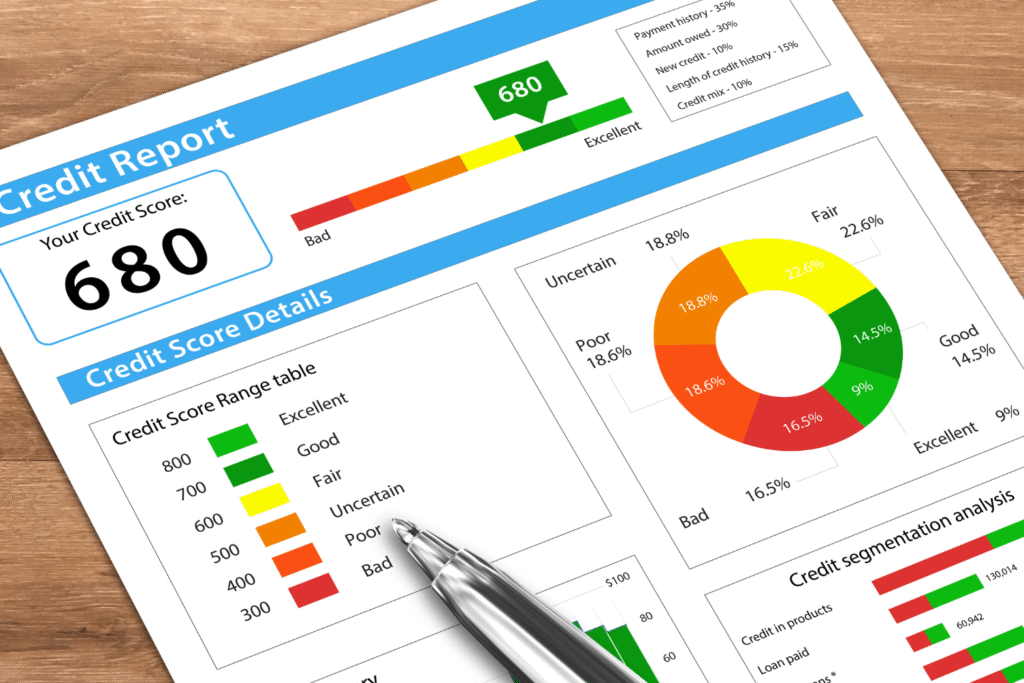
Applying everywhere at once tanks your credit. It also creates a paper trail that future lenders will see.
If you get denied five times in two weeks, lenders down the line will wonder what’s wrong with your business.
Understanding sequencing in business funding
Start with the easiest approvals first. Business credit cards. Small lines of credit. Vendor credit.
Build a track record of paying those back on time. Then move up to bigger funding sources for small businesses.
Sequencing matters because each approval makes the next one easier.
When to wait, build, or restructure before applying
If you’re not funding-ready, don’t apply yet. Wait. Build your credit. Get your structure clean. Grow your revenue.
I’ve told clients to wait six months before applying because I knew they’d get denied if they applied right then. Six months later, with a stronger profile, they got approved.
The difference between strategic funding and desperation funding
Strategic funding is planned. You apply when you’re strong, you know exactly what you need, and you’ve got a path to repayment.
Desperation funding is reactive. You’re scrambling, applying anywhere, hoping something sticks.
Lenders can tell the difference. And they only approve the first kind.